Design is about communication. It’s about guiding the viewer’s eye, evoking emotions, and telling stories. Motion adds a new dimension to this. It can:
- Draw attention to key elements
- Provide feedback to user actions
- Create a sense of flow and continuity
- Enhance storytelling by pacing information
Interactive motion takes this further by allowing users to influence what happens on screen.
This two-way communication creates a richer experience. It invites curiosity and exploration, making the design feel alive.
An interactive slider you can drag with your mouse to reveal what is underneath — live, right here in the post.
Rive is a fantastic tool for creating interactive motion graphics. It combines vector animation with real-time interactivity, all within a single platform. I recently submitted a project to an interactive graphics challenge on Contra using Rive, and it was a rewarding experience.

Rive
Here’s what I learned:
- Ease of use: Rive’s interface lets me design and animate in one place, without switching between tools.
- Interactivity: I could add triggers and state machines that respond to user input, making the graphic feel alive.
- Performance: The animations run smoothly on web and mobile, which is crucial for user experience.
This project allowed me to push the boundaries of what interactive motion can do. It also reinforced my belief that this design layer is a space where human creativity shines brightest.
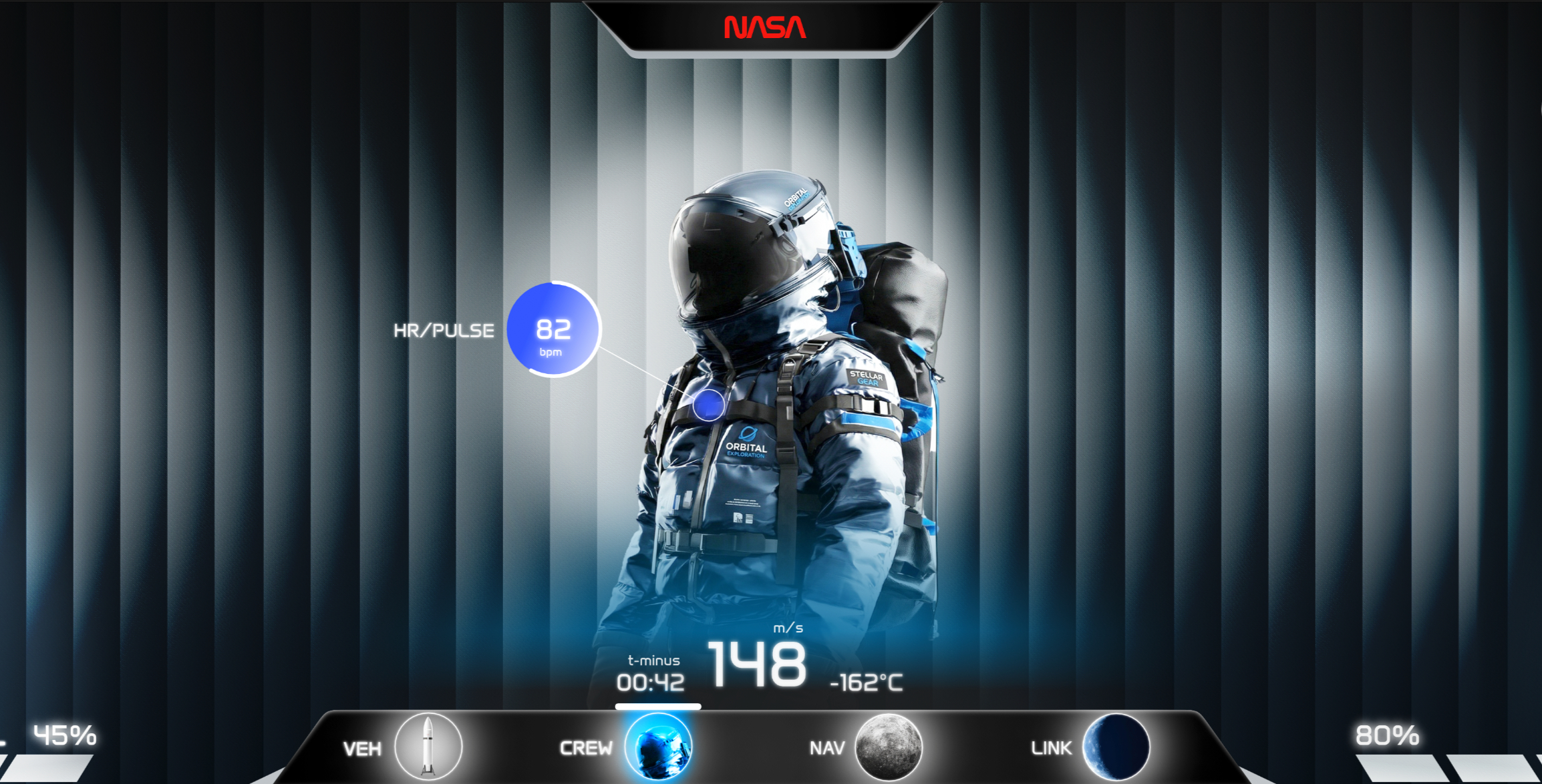
NASA HMI Menu 2 Screen — check out the full project here.
While I'm on the subject of Rive projects, I also built an AI Agent Avatar Creator — a Rive-powered experience where the agent itself is a real, rigged character that reacts in real time.
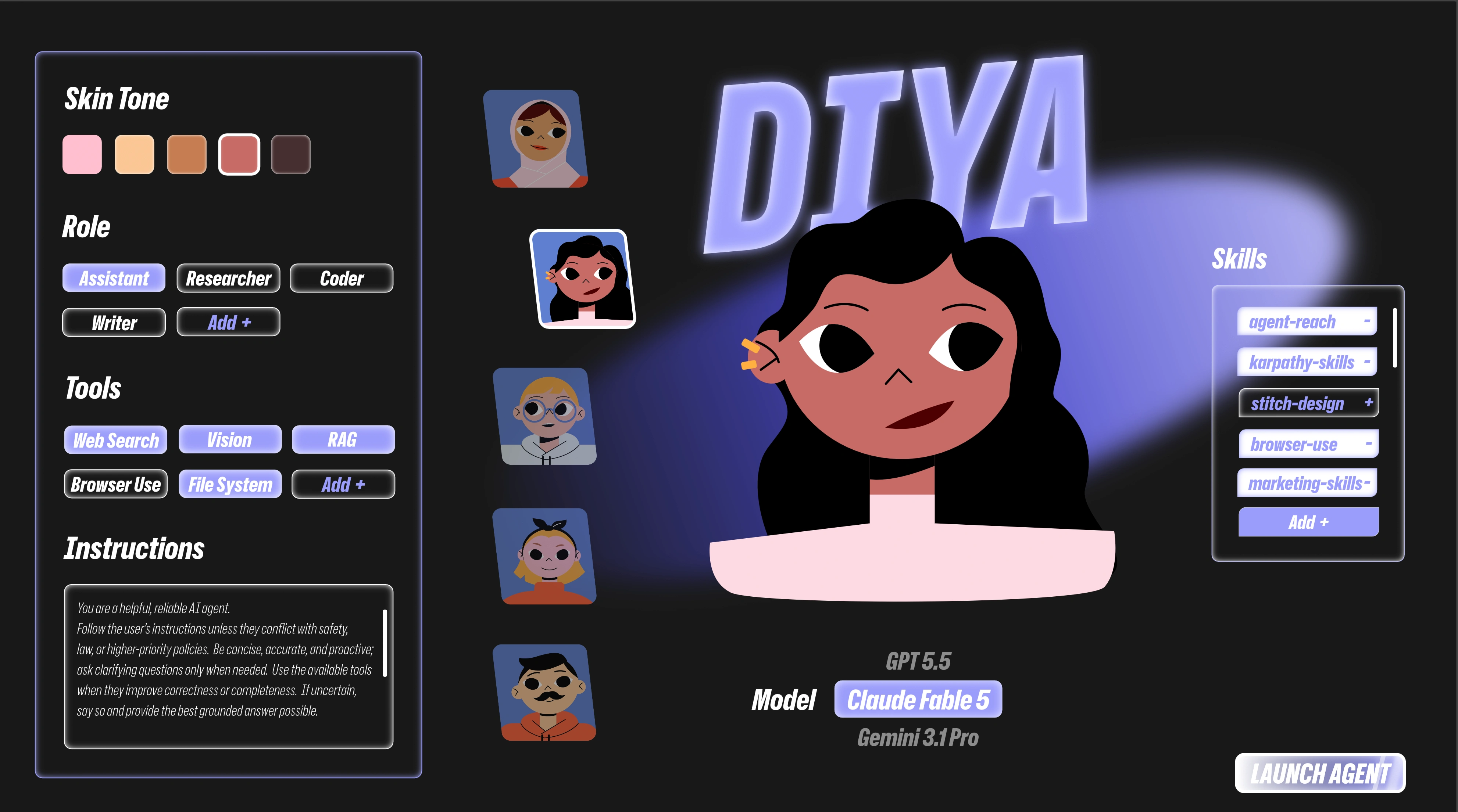
Pick an agent, customise its look, and the avatar responds through the same state machine that drives the interface — no looping GIFs. It's a full rig: bones, constraints and a state machine graph wiring every interaction. Check out the whole project.
Interactive motion is not just a trend; it’s a way to build stronger connections with audiences. For brands and creators, it offers several benefits:
- Improved engagement: Interactive elements keep users on your site or app longer.
- Clearer communication: Motion guides users through complex information step-by-step.
- Memorable experiences: Unique interactions make your brand stand out.
Using tools like Rive, it’s possible to create these experiences without heavy coding. This lowers the barrier for brands and creators to adopt interactive motion in their projects.
If you want to explore this further, I recommend checking out my Rive course — I teach this approach in depth. It’s a great starting point for anyone interested in interactive graphics.
Where does AI fit into all this? First of all, Rive has recently shipped the Agent Feature inside the Rive Editor where AI can build things, chat and even refactor your designs and interactions — it's wild! But beyond that, I think AI will continue to improve and assist designers in many ways. It might generate initial animation ideas or automate repetitive tasks. But complex multi-state machine interactive motion will likely remain a space where human creativity leads.
The reason is simple: interactive motion is about connection. It’s about anticipating how a person will feel and respond. It’s about crafting moments that surprise and delight. These are deeply human skills.
I see interactive motion as the last design layer where AI supports but does not replace. It’s a creative frontier that invites us to blend technology with empathy and storytelling.
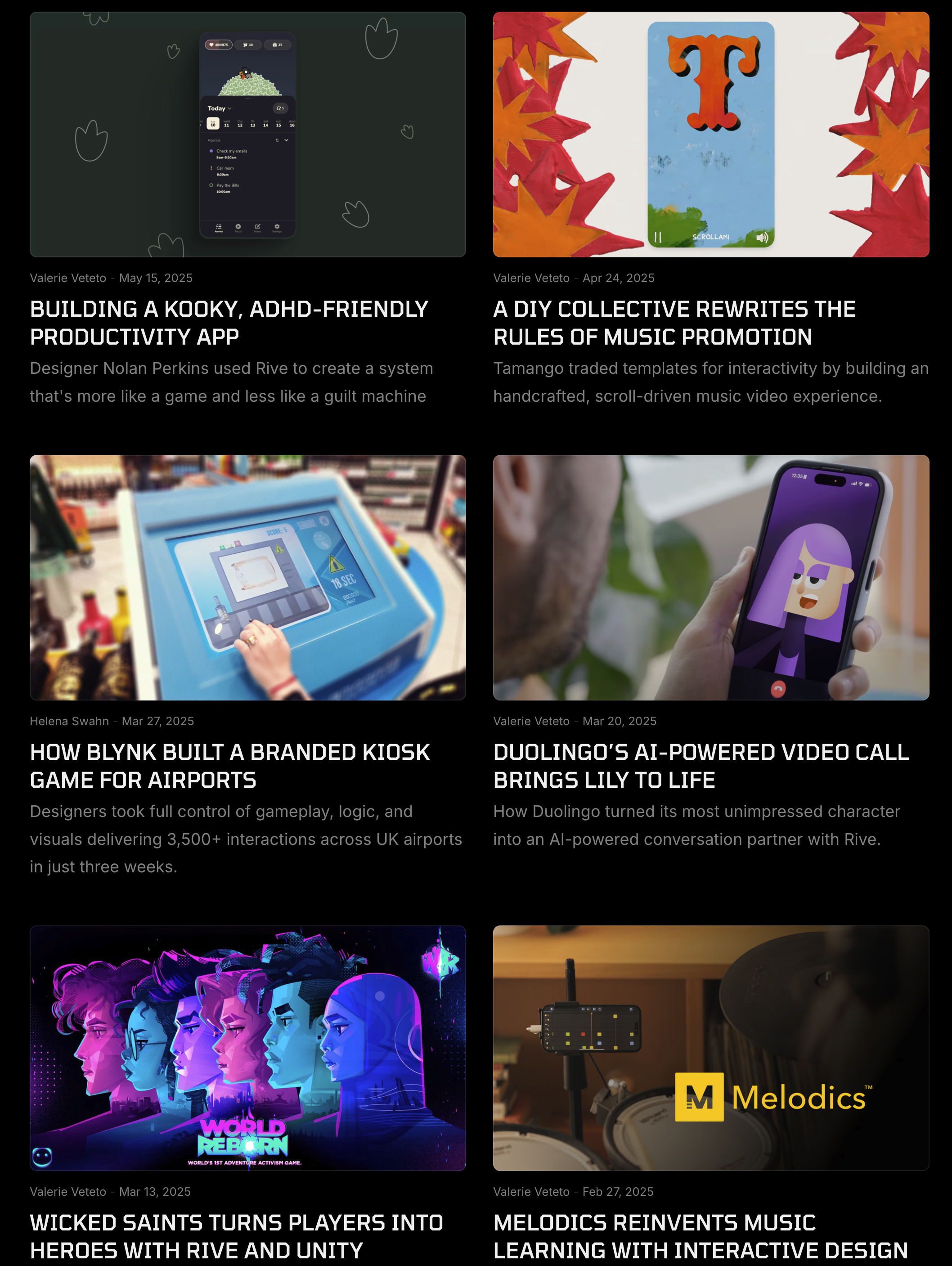
Some amazing real-world Rive projects — it's way more than just an editor!
My work with Rive has shown me how accessible and powerful this design approach can be. It’s a tool that empowers brands and creators to build richer, more engaging experiences.
If you want to explore interactive motion or need help bringing your ideas to life, I’m here to help. Together, we can create graphics that move, respond, and connect — in ways AI cannot replicate.
If you’re curious about my interactive graphics challenge submission or want to see more examples, feel free to reach out or explore my Rive course to start your own journey.
Thank you for reading. I look forward to sharing more insights and projects as we continue to explore the future of interactive design.